
Extending a Helping Hand: Caring for Stray Animals and the Power of Donations
Across the world, stray animals—dogs, cats, and other creatures—wander streets and rural areas, facing relentless hardship. Abandoned, born homeless, or displaced by crises, they struggle daily for food, water, shelter, and safety. Their plight reflects a gap in human compassion, and caring for them—through direct help, advocacy, or donations—is not just kindness but a moral duty. This article explores why supporting stray animals matters, the critical role of donations, and how individuals can contribute to a more humane world.
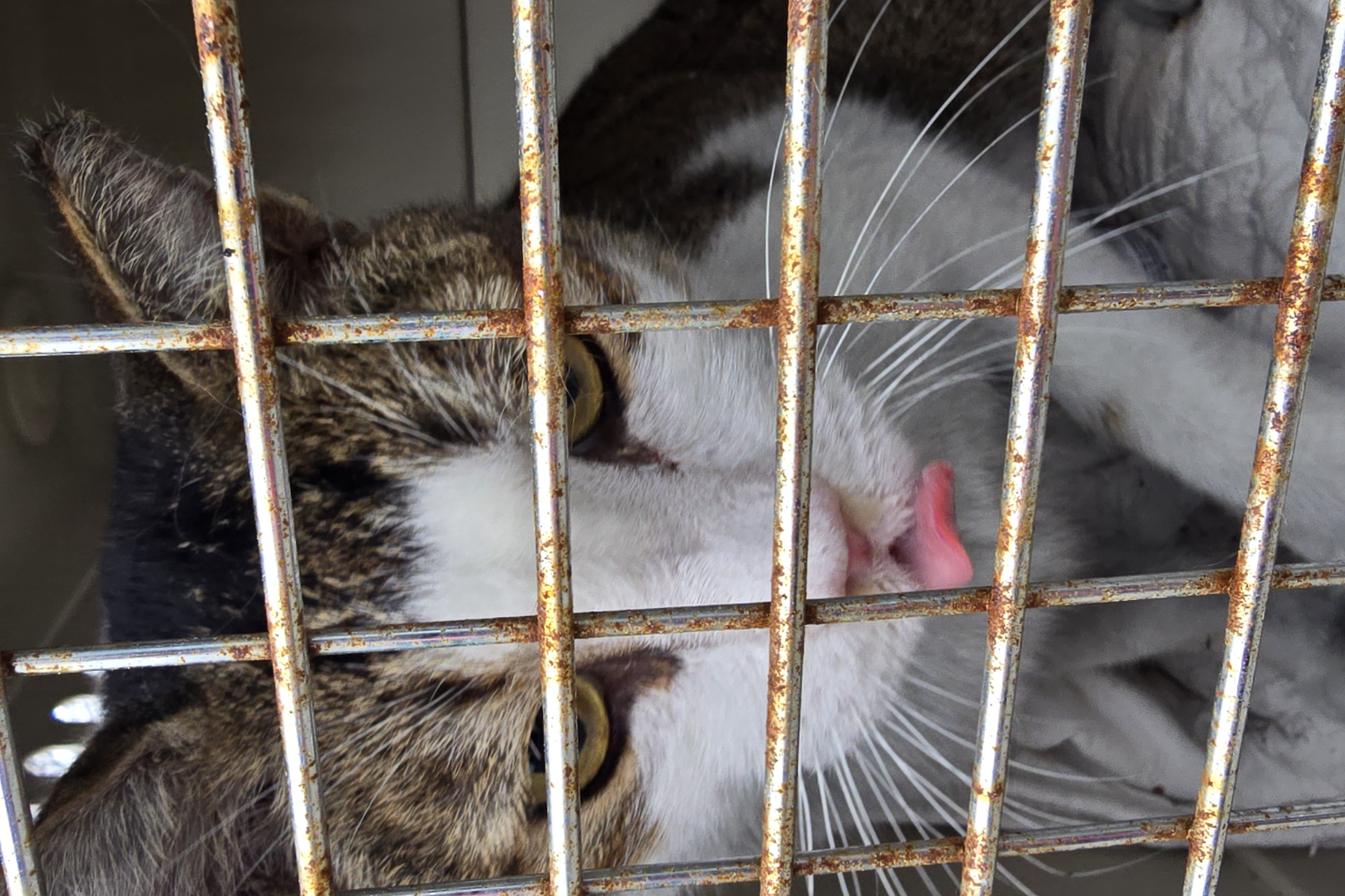
To grasp the urgency, one must recognize the harsh reality of stray animals’ lives. They scavenge garbage for food, often going days without eating, leading to malnutrition and disease. Clean water is scarce, forcing them to drink from contaminated sources, exposing them to deadly illnesses like parvovirus and rabies. Extreme weather—blistering heat, freezing cold, heavy rain—leaves them unprotected, risking hypothermia or heatstroke. Beyond physical suffering, they face abuse, neglect, hit-and-run accidents, and euthanasia in overcrowded shelters. In some regions, they are even culled inhumanely as “pests.”
This suffering is not isolated; it impacts human society too. Stray animals carry transmissible diseases like rabies, which kills tens of thousands yearly. Uncontrolled populations cause property damage, livestock attacks, and traffic accidents. More importantly, a society’s treatment of vulnerable animals mirrors its moral character. Ignoring their pain erodes compassion, while prioritizing their care fosters a culture of kindness that benefits all communities.
Caring for strays takes diverse forms, and every small act counts. Direct hands-on help—providing food and water, building simple shelters for cats in cold weather, or transporting injured strays to vets—makes an immediate difference. Fostering or adopting is life-changing: fostering eases shelter overcrowding, while adoption gives animals a loving home and brings mental and physical health benefits to adopters, such as reduced stress and increased activity. Advocacy is also vital: raising awareness via social media or community events educates others, and pushing for animal protection laws, mandatory spaying/neutering, and shelter funding addresses systemic issues.
Financial donations are the backbone of these efforts. Animal shelters and rescue groups rely entirely on donations to cover food, shelter, veterinary care, and staff costs. Without funding, they cannot rescue more animals or provide basic care, often facing the tragic choice of euthanasia. Even small donations have a big impact: $5 buys dog food for a week, $10 covers flea treatment, and $20 funds spaying/neutering to prevent future stray litters. Larger donations help build shelters or launch outreach programs. Recurring small donations are particularly valuable, providing steady funding for long-term care.
Misconceptions about donations persist—many think only large sums matter or that only national organizations need support. In truth, local shelters, the frontline of the crisis, are often underfunded and depend on community donations. To ensure funds are used effectively, donate to transparent organizations with positive ratings on platforms like Charity Navigator. Non-monetary donations—food, blankets, medical supplies, or volunteer skills—are also invaluable, reducing shelter expenses.
Overcoming the stray animal crisis requires collective action: individuals can adopt, foster, donate, or advocate; communities can organize fundraisers; governments can enforce animal protection laws and fund spaying programs; organizations can raise awareness and provide direct care. In conclusion, caring for strays and supporting donations is a moral imperative. Every act of kindness, big or small, changes lives. By working together, we can build a world where all animals are treated with dignity. Your actions matter—extend a helping hand to these vulnerable beings, and contribute to a more compassionate future.